Finding the Best Limo Service for Memorable Occasions
Reliable Transit Solutions for Your Corporate Requirements
Dependable transportation services are essential for businesses aiming to meet operational requirements. They play a vital role in securing timely deliveries and maintaining customer satisfaction. Companies must carefully assess their transportation requirements and evaluate potential service providers. Understanding the multiple factors involved can lead to better decision-making. However, managing the complexities of logistics requires thoughtful consideration of several key elements that can substantially impact overall efficiency and success.
Knowing Your Transit Specifications
How can someone precisely assess their transportation requirements? To begin, one must recognize the specific requirements of their commercial functions. This entails determining the type of goods or services being moved, the rate of deliveries, and the geographic regions covered. Knowing the volume and weight of goods is crucial, as it determines vehicle selection and space requirements.
Next, you should assess the urgency of deliveries. Some businesses may require delivery on the same day, while some can handle more flexible schedules. Moreover, examining seasonal variations in demand can offer understanding of potential transportation obstacles.
Budget limitations are another key aspect; understanding how much can be allocated to transportation will direct decision-making. Additionally, analyzing the company's long-term growth targets can facilitate selecting a transportation solution that adapts to changing needs. Through comprehensive analysis of these elements, a clearer picture of transportation requirements emerges, supporting informed options.
Reviewing Service Providers
When evaluating transportation service providers, it is essential to emphasize reliability and efficiency to guarantee seamless operations. Businesses should commence by examining the provider's track record, concentrating on customer reviews and testimonials that demonstrate their service quality. It is also essential to assess the range of services offered, confirming they correspond to specific business needs, such as freight capacity and route coverage.
In addition, transparency in service terms and pricing of service is important; businesses should seek providers who offer clear and competitive rates without hidden fees. Reviewing the technology used for tracking shipments can also enhance operational visibility and accountability.
Finally, communication and responsiveness are critical elements; a provider's willingness to tackle concerns and accommodate changing requirements can considerably determine overall satisfaction. By thoroughly reviewing these criteria, businesses can make well-informed choices when choosing transportation service providers that align with their operational requirements.
Importance of Timeliness and Trustworthiness
Promptness and consistency represent vital cornerstones in the realm of transportation services, as they directly affect customer satisfaction and operational efficiency. Businesses rely on timely deliveries to satisfy time constraints and maintain strong relationships with clients. Any delay can cause dissatisfaction, potentially harming a company's reputation and bottom line.
Additionally, reliable transportation ensures that goods are delivered in optimal condition, which is critical for keeping inventory levels and limiting losses. When a transportation service consistently honors its promises, it develops trust and loyalty among clients, often resulting in repeat business and referrals.
In today's highly competitive marketplace, the capability to offer dependable services is not just an advantage; it is a necessity. Enterprises that focus on timeliness and reliability are optimally situated to respond to market demands and handle unforeseen challenges, thereby securing sustained growth and success in their operations.
Compliance and Safety Standards
While safety and compliance standards might vary across locations and industries, they continue to be fundamental to the integrity of transportation services. Businesses that give priority to these standards protect the well-being of their workers, clients, and cargo. Conformity to local and federal regulations, such as vehicle maintenance checks, driver training, and safety protocols, is vital in limiting risks and liabilities.
Transportation firms frequently face audits to confirm compliance with safety regulations, encompassing correct licensing and insurance requirements. Moreover, the adoption of technological MCO Airport Transfer solutions, like GPS tracking systems and real-time surveillance, improves safety protocols, allowing for efficient incident management.
Financial Planning and Cost Analysis
While evaluating reliable transportation services, understanding the associated costs is important for effective budget management. This requires identifying various transportation expenses and implementing strategic budget allocation techniques. Plus, exploring cost-saving alternatives can strengthen overall financial efficiency in transportation planning.
Establishing Delivery Charges
Comprehending transportation costs is crucial for efficient budgeting, as various factors influence the overall expenses required. Businesses must consider direct costs such as fuel, vehicle maintenance, and driver wages, as well as indirect costs including insurance and administrative fees. Furthermore, the type of transportation employed—whether road, rail, air, or sea—can significantly affect pricing. Seasonal fluctuations and demand can also result in variations in costs, requiring a thorough analysis. Companies should factor in potential hidden costs, such as delays or damages, which can influence the bottom line. By precisely identifying these expenses, businesses can create a more extensive financial plan that corresponds to their operational needs and strategic goals.
Budget Planning Strategies
Effective budget allocation strategies are vital for handling transportation costs efficiently. Businesses should first evaluate their specific transportation demands, evaluating factors such as volume, frequency, and distance. This allows for a clear understanding of fixed and variable costs associated with logistics. Developing a prioritization framework helps allocate funds to essential transportation areas while reducing waste. Additionally, implementing a tracking system can monitor expenses against the budget, identifying any discrepancies early. Businesses should also consider seasonal fluctuations in demand, adjusting budgets accordingly to promote flexibility. Regular reviews and adjustments of the budget facilitate responsiveness to changes in business operations and market conditions. By employing these strategies, companies can optimize their transportation budgets, ensuring cost-effectiveness and operational reliability.
Savings Opportunities
Discovering cost-saving opportunities is vital for businesses looking to strengthen their transportation performance and overall budget management. Companies can secure considerable savings by reviewing their current transportation contracts and pursuing competitive quotes from multiple carriers. Utilizing route optimization software can moreover lower fuel costs and improve delivery times. Furthermore, consolidating shipments helps businesses to maximize load capacity, reducing transportation expenses. Utilizing technology, such as GPS tracking, can improve logistics processes, decreasing overhead. Businesses should also consider committing in fuel-efficient vehicles to decrease extended operating costs. By focusing on these strategies, organizations can efficiently manage their transportation budgets while guaranteeing reliable service delivery, ultimately supporting growth and operational sustainability.
Advanced Tracking and Technology Systems
Within the domain of reliable transportation services, technology serves a vital component in improving efficiency. Real-time location tracking permits companies to monitor shipments precisely, ensuring timely deliveries. Moreover, modern route optimization technologies assist in minimizing travel time and costs, ultimately benefiting both suppliers and customers.
Instant GPS Monitoring
As technological advancements progress, real-time location tracking has emerged as an essential component of reliable transportation services. This technology supplies businesses with the capacity to monitor their vehicles and shipments in real-time, delivering transparency and accountability throughout the delivery process. By utilizing GPS and advanced tracking software, companies can obtain precise data on vehicle locations, facilitating proactive decision-making and improved operational efficiency. Moreover, real-time tracking enhances communication between drivers and dispatchers, allowing timely updates and lowering the risk of delays. This capability not only elevates customer satisfaction through accurate delivery estimates but also assists with the effective management of logistics. In summary, real-time location tracking plays a essential role in optimizing transportation services for businesses.
Intelligent Journey Refinement
While traditional route planning techniques can be inefficient and time-consuming, advanced route optimization technology has revolutionized the way transportation services streamline their operations. Employing algorithms and real-time data, this technology enables businesses to discover the most efficient routes, minimizing travel time and fuel consumption. By incorporating factors such as traffic patterns, weather conditions, and delivery schedules, advanced solutions can dynamically adapt routes to respond to changing circumstances. This not only enhances delivery efficiency but also increases customer satisfaction by ensuring timely arrivals. Additionally, tracking solutions integrated with route optimization provide businesses with comprehensive visibility into their logistics operations, supporting better decision-making. In the end, advanced route optimization represents a significant step forward in improving the efficiency and reliability of transportation services.
Establishing a Enduring Partnership
Developing a lasting partnership in transportation services requires a mutual understanding of ambitions and expectations. Both parties have to engage in open communication to establish specific requirements, timelines, and performance metrics. This dialogue builds trust and transparency, important elements for any thriving collaboration.
A dedication to service excellence is critical. A reliable transportation provider prioritizes on-time delivery and proactive customer care, providing assurance that enterprises can trust their operations. Regular assessments of performance help identify elements needing advancement, reinforcing the partnership's strength.
Moreover, flexibility is vital. As market requirements develop, both partners should be prepared to refine their methods and services to accommodate changing needs. Implementing technology, such as tracking systems, can enhance performance and accountability.
In the end, a long-term partnership in transportation services is built on shared values, continuous improvement, and a focus on achieving shared success. This foundation enables businesses to flourish in a demanding environment.
Popular Questions
What Varieties of Vehicles Do Transportation Companies Generally Offer?
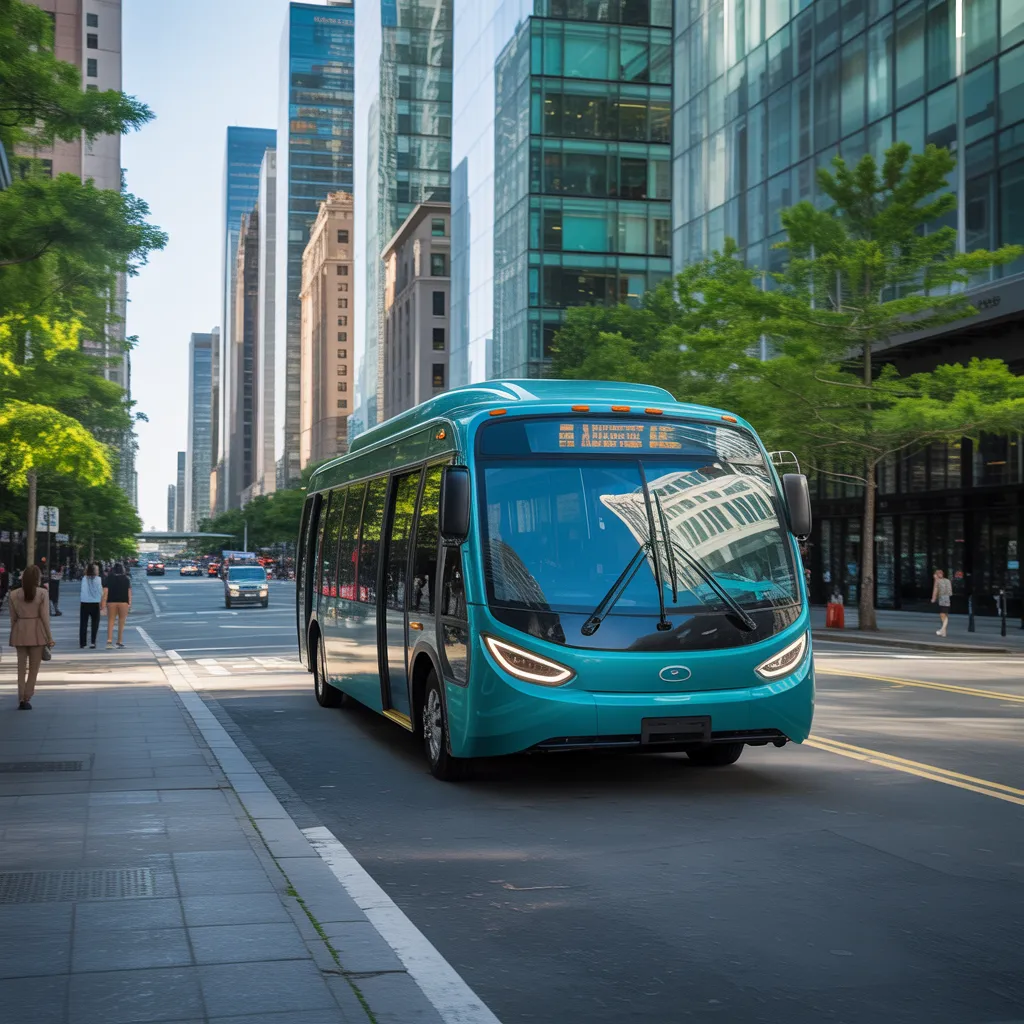
Transportation providers commonly offer a wide variety of vehicles, including buses, trucks, vans, and specialized transport options for various freight categories. Each vehicle is crafted to suit specific transportation needs, guaranteeing safe and efficient deliveries.
How Do I Make Sure My Goods Are Insured During Transport?
To ensure goods are insured during transit, one should confirm the transportation provider's insurance coverage, request additional cargo insurance if needed, and document the condition and value of goods before shipping.
Which Industries Profit Most From Reliable Transport Solutions?
Sectors including retail, manufacturing, and logistics substantially gain from trustworthy transportation services. These sectors rely on punctual deliveries and efficient supply chain management to maintain operations, meet customer demands, and improve overall productivity.
Can Transportation Services Accommodate Last-Minute Shipping Requests?
Indeed, numerous transportation services are able to handle last-minute shipping requests, utilizing expedited options and flexible scheduling. These providers strive to fulfill urgent demands, ensuring that businesses can adapt quickly to changing logistics and customer needs.
What's the Process for Handling Damaged or Lost Shipments?
To deal with issues with lost or damaged shipments, one should promptly contact the delivery service, capture the incident with proof, file a claim if applicable, and consider compensation options while guaranteeing future prevention strategies are put in place.